
Global tobacco harm reduction and regulatory experts shared with an engaged audience at the Transcorp Hilton on 15 October that Nigerian policymakers can learn life-saving public health lessons from Sweden.
The Can Nigeria Quit Like Sweden? event focused on the harm reduction approach to public health crises generally – what it is and why it matters – and Sweden's tobacco harm reduction policy specifically. Experts explained why tobacco use is an ideal area for harm reduction. They informed the audience that the objective of Swedish tobacco policy is a smoke-free Sweden; the highly successful strategy is to reduce the medical and social harm caused by tobacco and nicotine products and to differentiate between the harmful effects emanating from different products.
Through a series of insightful panels and presentations, the experts addressed how these strategies can be adapted to the Nigeria context.
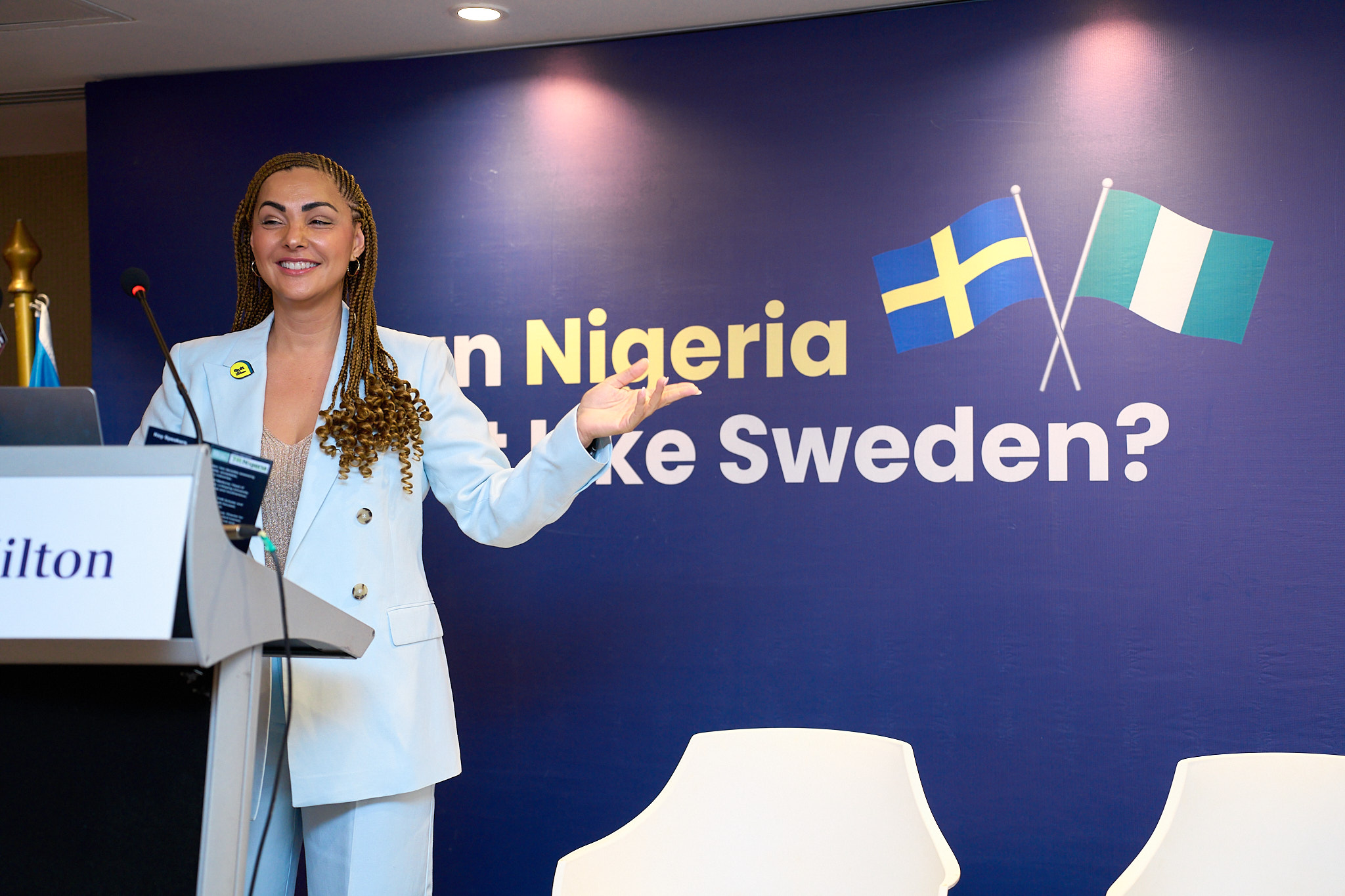
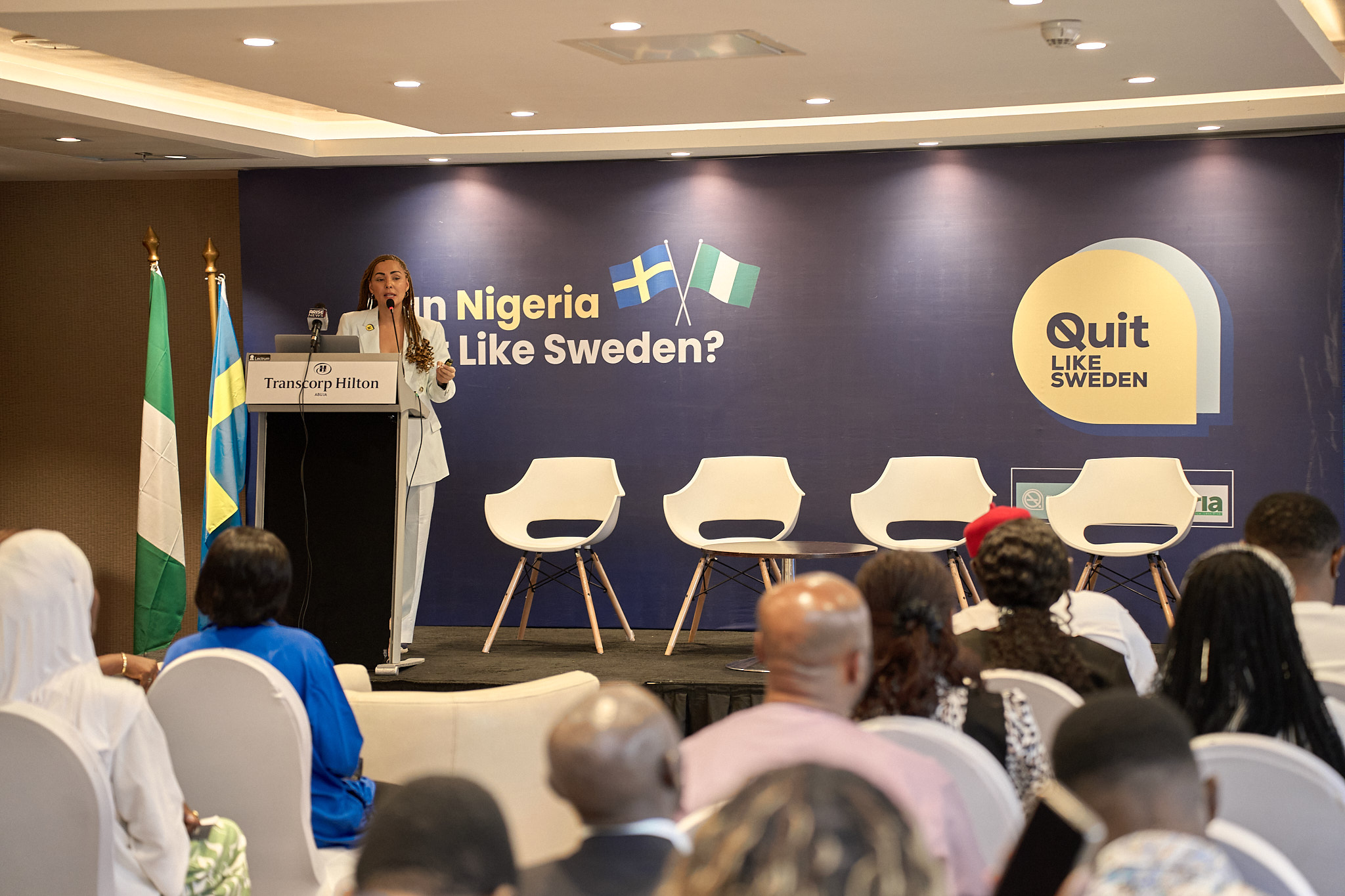

Harm reduction advocate Suely Castro, founder of the global public health platform, Quit Like Sweden, discussed Sweden's incredible success in reducing adult smoking prevalence to "smoke-free" levels (no more than 5% of adults smoking), well ahead of an average EU member country rate of 24%. She relayed the story and role of nicotine pouches in comprehensive approaches to significantly reducing smoking rates in Sweden, serving as a potential model for an innovative harm-reduction strategy in Nigeria.
Castro stressed these products need to be accessible (easy to find, sold where smokers already shop), acceptable (easy to like, in formats and flavors adults actually use), and affordable (easy to afford, cheaper than smoking every time) to ensure consumer interest, commercial viability, and the maximum improvement in public health. She also noted, "Nigeria is at a critical juncture. By following the Swedish model, Nigeria can significantly reduce smoking-related diseases and healthcare costs. Harm reduction isn't just about quitting smoking; it's about offering people better choices."
Nigeria is at a critical juncture. By following the Swedish model, Nigeria can significantly reduce smoking-related diseases and healthcare costs. Harm reduction isn't just about quitting smoking; it's about offering people better choices.
Dr Fredrik Nyström, a leading harm reduction researcher, explained the scientific basis for the innovative, alternative nicotine products that provide consumers with reduced levels of risk. He observed, "Sweden's success in reducing smoking rates is a clear example of how harm reduction strategies can work. By offering smokers safer alternatives like snus and nicotine pouches, we have given them a viable path to quit without quitting nicotine altogether."
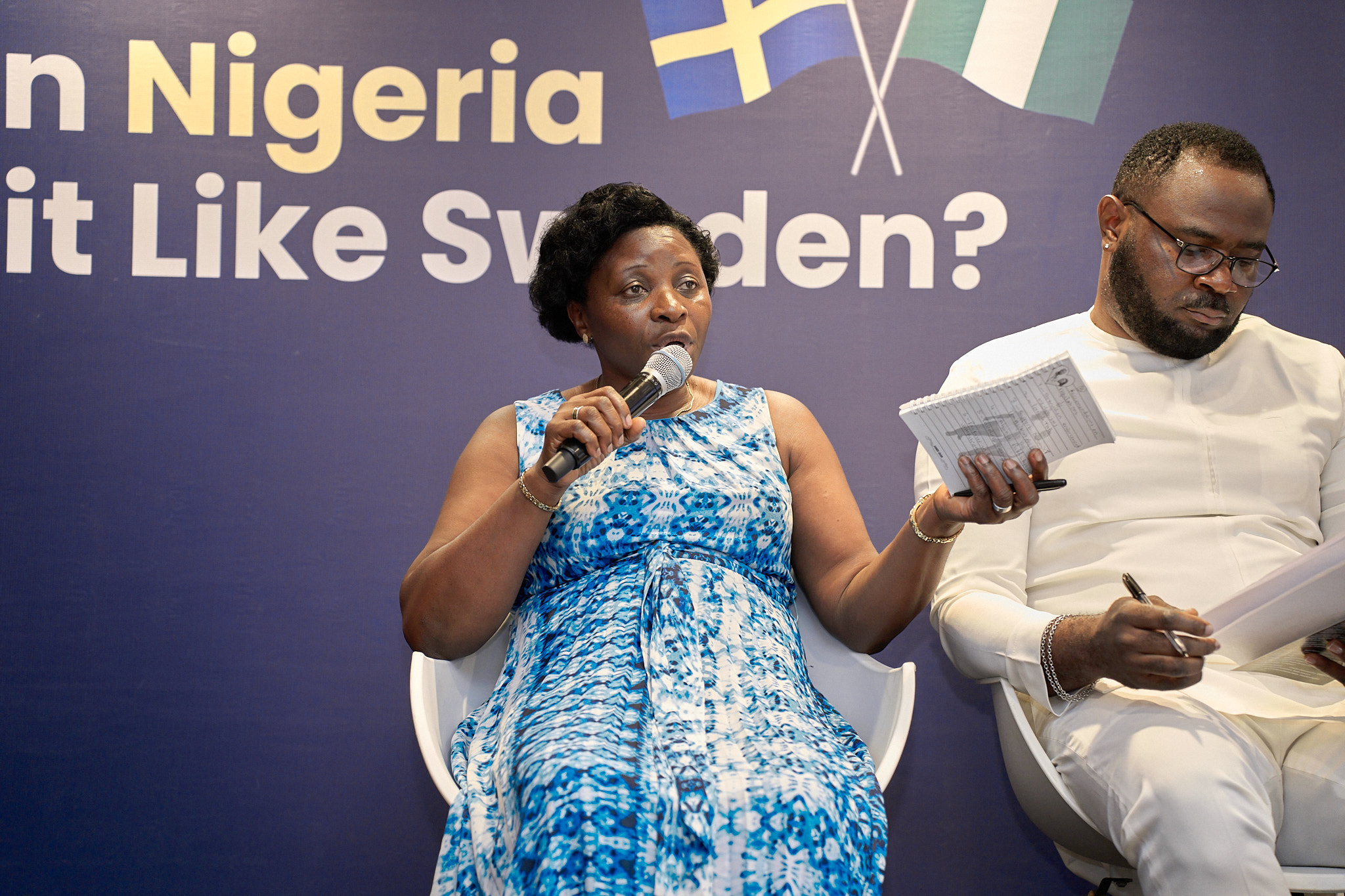
Uche Olatunji, Yusuff Adebisi, and Dr Tatah Eunice presented the positive public health implications of including reduced risk products in a comprehensive tobacco control strategy, including the number of Nigerian lives that may be saved through tobacco harm reduction.
Gabriel Oke and Chuks Akamadu focused on the respective roles played by the consumer and public policy in the harm reduction equation. Oke and Akamadu explained how to address misinformation about reduced risk products and which progressive policy reforms are necessary to advance tobacco harm reduction. Chuks Akamadu discussed tobacco harm reduction from the perspective of affected individuals and families, focusing on populations impacted by drug use and approaches to drug-related harm reduction.

The assembled experts agreed Nigerian smoking rates can be reduced further through the use of alternative products and evidence-based consumer education. They also agreed that policymakers do not need to resort to bans and prohibitions to achieve their public health goals.
Event Highlights
Speakers
Suely Castro
Director, Quit Like Sweden
Two decades assessing Tobacco Control and championing accessible, acceptable, affordable alternatives inspired by Sweden's outcomes.
Dr. Fredrik Nyström
Professor of Internal Medicine, Linköping University
Head of Internal, Endocrinology & Pulmonary Medicine, Linköping University (tenured 2002); leads trials on metabolic disease and nicotine/snus; frequent media voice and author.
Uche Olatunji
Convener, THRNigeria
K•A•C THR Scholar and 2019 Global Forum on Nicotine panelist; drives youth-focused, evidence-based harm-reduction training and outreach.
Yusuff Adebayo Adebisi
Director for Research, Global Health Focus
Pharmacist-epidemiologist; University of Ibadan/Oxford trained; inaugural Kevin Molloy Fellow mapping LMIC THR evidence and policy for equity.
Dr. Tatah Eunice
Public Health Specialist
Public-health specialist (PhD) with 12 years in health-system strengthening and M&E; harm-reduction advocate and visiting lecturer; recognized for PEPFAR/EGPAF work in Cameroon.
Molly Ogbodum
Board Member, SSDP International
Forges government–community partnerships and secures grants to deliver evidence-based services for people who use drugs and other marginalized groups.
Gabriel Oke
Medical Laboratory Scientist and THRJourno Lead
Advances THR across LMICs through research, campaigns, and training; Master's in Global Health Delivery (UGHE), MSc Medical Leadership (Lancaster, in progress).
Professor Martin Ike-Muonso
Director-General/CEO, RMRDC
Professor of natural-resource economics; leads research commercialization and promotes evidence-based, Swedish-inspired tobacco harm reduction.