
On 6 October in Warsaw, Quit Like Sweden was invited to participate in the Longevity Foundation's conference "How Effective Public Policy Can Help Combat Addictions – International Case Studies," held at the Polish Parliament (Sejm). During the event, global public health experts emphasized that Polish policymakers can learn life-saving public health lessons from Sweden.
QLS hosted a panel featuring Suely Castro and Dr. Karl Fagerström, focusing on innovative nicotine products and pragmatic harm-reduction policies that provide smokers with life-saving alternatives to cigarettes. The panel "Prevention in the 21st Century: Technology, Education, and Health Policy" specifically explored Sweden's remarkable success in reducing adult smoking prevalence to "smoke-free" levels (no more than 5% of adults), well ahead of Poland's 27%, the EU's 2040 target, and the average EU member country rate of 24%.

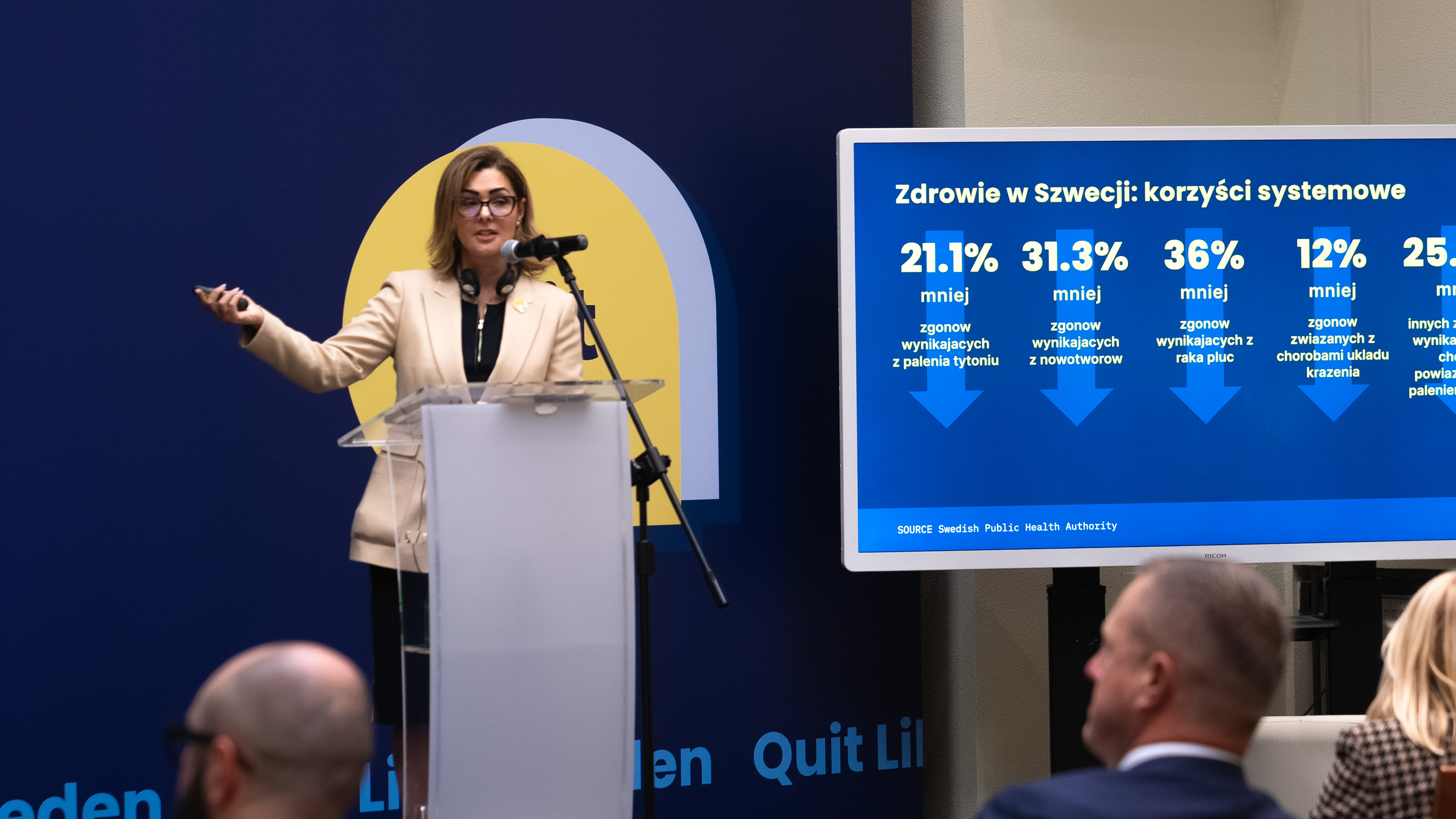
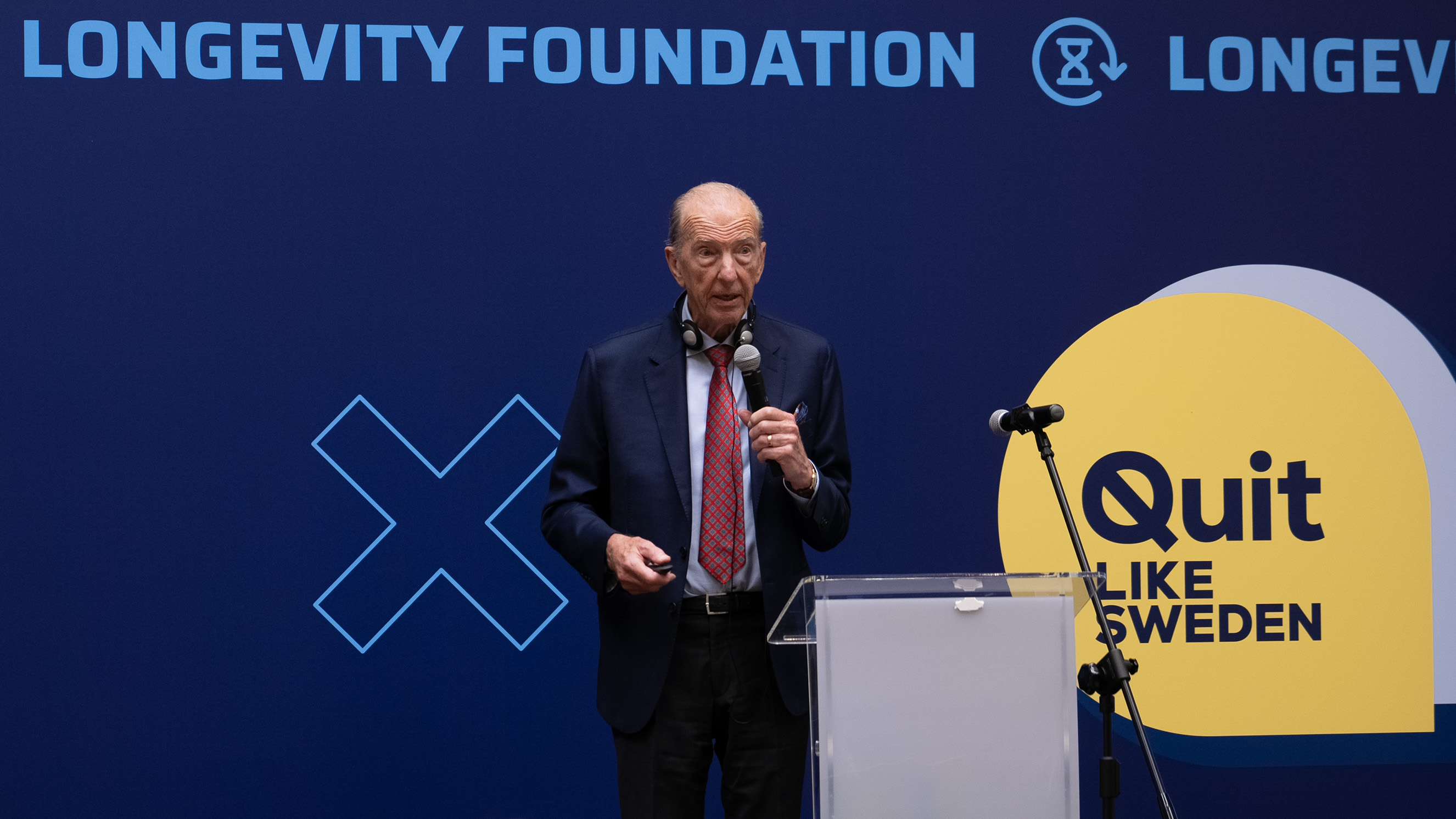
The speakers, Dr Karl Fagerström, a leading tobacco harm reduction researcher, and Suely Castro, the founder of the global public health platform, Quit Like Sweden, explained how disruptive medical technology globally has saved millions of lives and also improved the quality of life for millions of individuals and their families. They maintain that technological innovations in alternative products to cigarettes offered comparable life-saving and quality of life-improving opportunities to smokers.
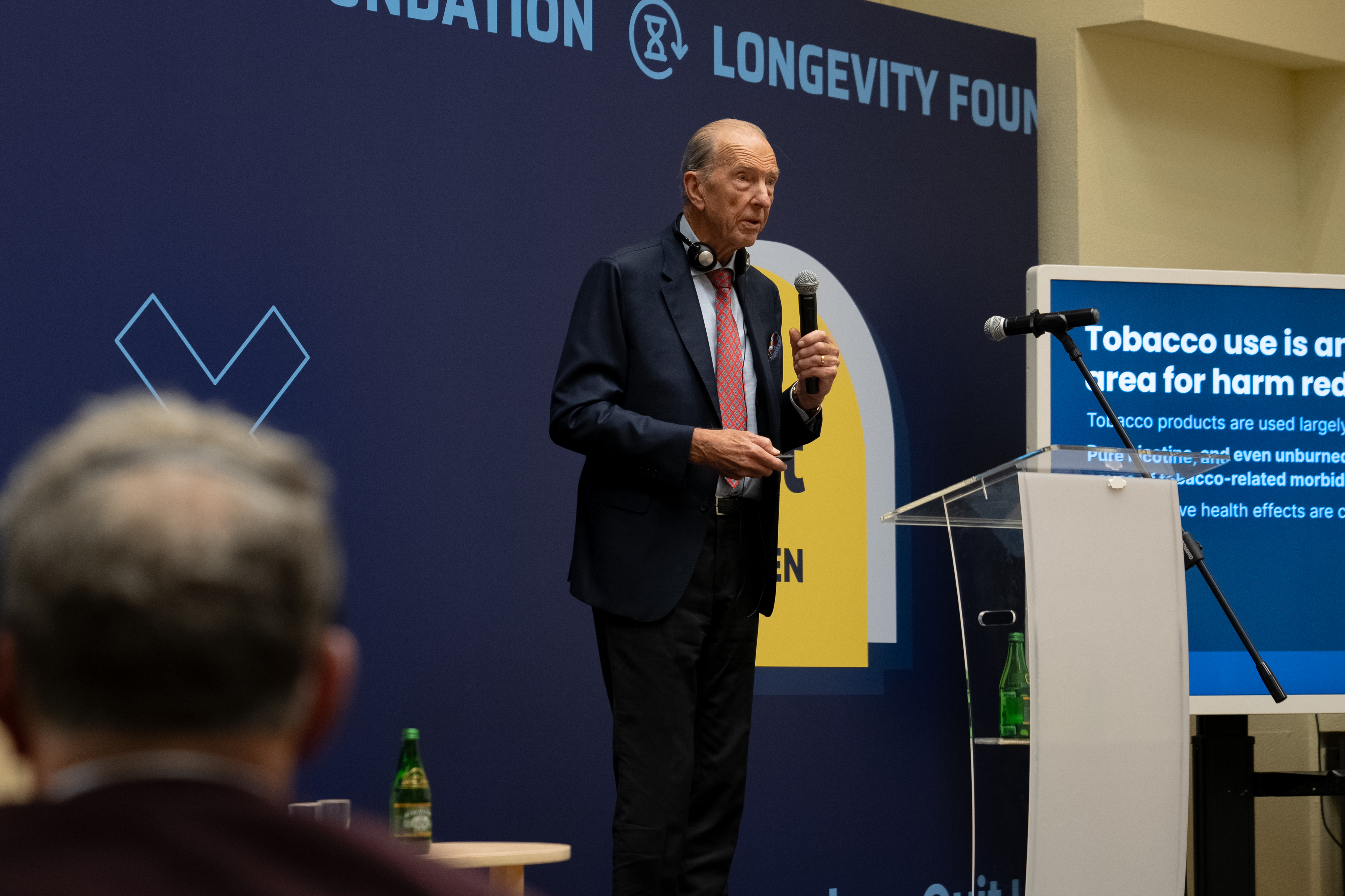
Tobacco use is an ideal area for harm reduction. The objective of Swedish tobacco policy is a smoke-free Sweden. The highly successful strategy is to reduce the medical and social harm caused by tobacco and nicotine products and to differentiate between the harmful effects emanating from different products.
Fagerström and Castro discussed the story and role of snus and nicotine pouches in comprehensive approaches to significantly reducing smoking rates in Sweden, serving as a potential model for an innovative harm-reduction strategy in Poland. They maintain such products need to be accessible (sold at least wherever cigarettes are sold), acceptable (come in a range of flavours and strengths to be realistic options for people who smoke), and affordable (more affordable than cigarettes) to ensure consumer interest, commercial viability, and the maximum improvement in public health.
Fagerström observed, "Tobacco use is an ideal area for harm reduction." He informed the audience that the objective of Swedish tobacco policy is a smoke-free Sweden. The highly successful strategy is "to reduce the medical and social harm caused by tobacco and nicotine products and to differentiate between the harmful effects emanating from different products."
Castro emphasized "the importance that nicotine pouches have had for many Swedish women, who used to smoke and now prefer nicotine pouches over other alternatives to smoking, such as snus." Reflecting on the Swedish experience, the panelists agreed smoking rates can be reduced dramatically through the use of alternative products and evidence-based consumer education. Revealingly, policymakers do not need to resort to bans and prohibitions to achieve their public health goals.
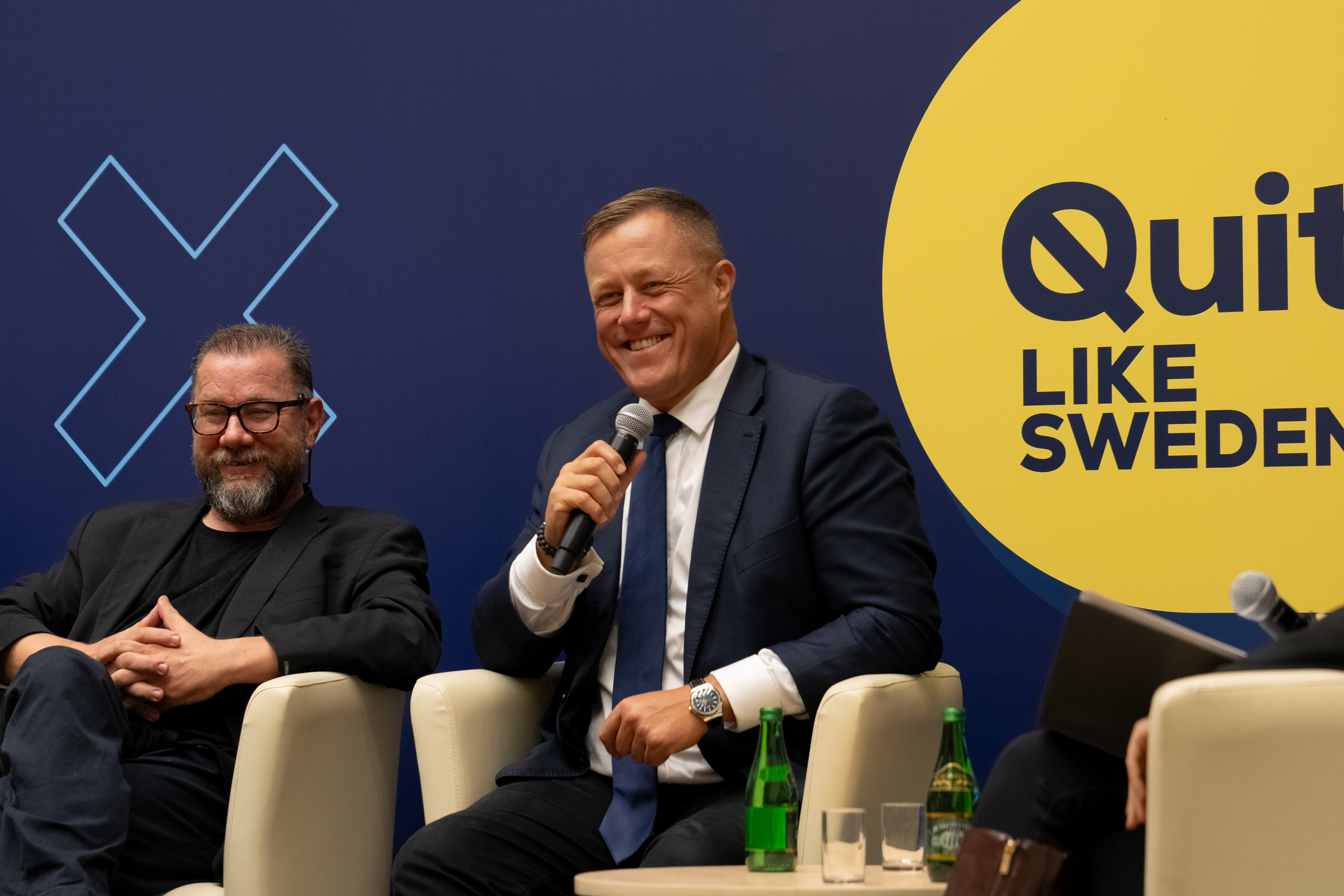

Event Highlights
Speakers
Suely Castro
Director, Quit Like Sweden
A long standing harm-reduction advocate who has spent nearly two decades assessing global Tobacco Control efforts, and promoting accessible, acceptable, and affordable alternative nicotine products, inspired by the Swedish experience.
Dr. Karl Fagerström
PhD, Tobacco Harm Reduction Researcher
PhD (1981) and inventor of the widely used Fagerström Test for Cigarette Dependence. A founding member of the Society for Research on Nicotine and Tobacco (SRNT) and Deputy Editor of Nicotine & Tobacco Research. Awarded the WHO medal (1999) and the SRNT Clinical Science Award (2013).