In May 2025, as South Africa pushes forward with new tobacco control legislation, leading global health experts urged the nation not to overlook a crucial, evidence-based approach that is transforming public health outcomes in countries like Sweden and New Zealand.
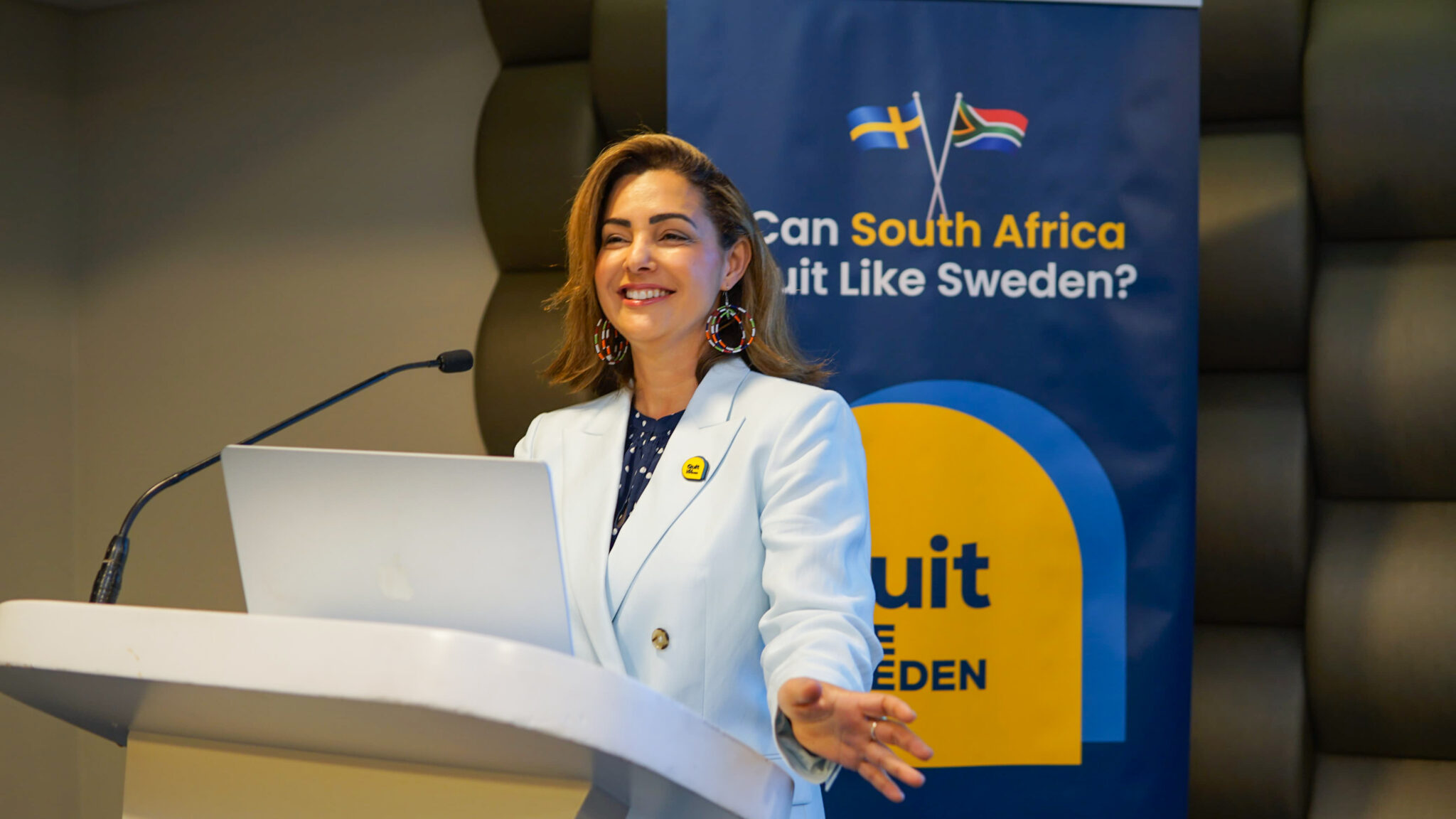
At an event hosted by Quit Like Sweden (QLS) in Cape Town, public health leaders, policymakers, and harm reduction advocates gathered to present a compelling alternative to traditional tobacco control: one that supports adult smokers in transitioning to safer alternatives.
For decades, we've relied on the same toolbox: bans, taxes, and restrictions. Yet in many countries, smoking rates have stalled. Sweden took a different path—one that empowered smokers with options. The result? A smoking rate of just 5.3% and the lowest tobacco-related death rate in Europe. South Africa deserves the same success story.
Sweden's tobacco harm reduction model prioritises the accessibility, acceptability, and affordability of safer alternatives, such as nicotine pouches, snus, and e-cigarettes, while maintaining traditional cessation and prevention efforts. This pragmatic balance has led Sweden to become the first country globally to almost achieve official smoke-free status.
Similarly, New Zealand has halved its smoking prevalence in just five years by supporting vaping and alternative nicotine products as a pathway out of smoking, particularly among vulnerable groups.
Leading international expert Clive Bates, said: "There are two main lessons to take from international experience. First, it is possible to radically reduce smoking and disease by driving out cigarettes with low risk smoke free alternatives like snus, pouches, vapes or heated tobacco. Second, policies that try to stop these developments are prone to harmful unintended consequences such as more smoking, illicit trade or risky workarounds."
There are two main lessons to take from international experience. First, it is possible to radically reduce smoking and disease by driving out cigarettes with low risk smoke free alternatives. Second, policies that try to stop these developments are prone to harmful unintended consequences.
QLS called on members of Parliament to ensure the Bill supports adult access to safer alternatives and includes a clear distinction between combustible tobacco and non-combustible nicotine products.
Suely Castro added: "We are not asking South Africa to blindly copy Sweden. But we are urging policymakers to seriously consider what's working. Lives are on the line. And the evidence could not be clearer."
Event Highlights
Speakers
Suely Castro
Director, Quit Like Sweden
A long standing harm-reduction advocate who has spent nearly two decades assessing global Tobacco Control efforts, and promoting accessible, acceptable, and affordable alternative nicotine products, inspired by the Swedish experience.
Prof. Marewa Glover
Founding Director, CREISS
Public-health professor and 32-year tobacco-control researcher; 2019 New Zealander of the Year finalist; founding director, Centre of Research Excellence - Indigenous Sovereignty & Smoking; former Tobacco Section Editor, Harm Reduction Journal.
Dr. Fredrik H. Nystrom
Professor of Internal Medicine, Linköping University
Professor of Internal Medicine; Head of Internal, Endocrinology & Pulmonary Medicine, Linköping University (tenured 2002); leads trials on metabolic disease and nicotine/snus; frequent media voice and author.
Federico N. Fernández
CEO, We Are Innovation
CEO of We Are Innovation, a global network of 45+ think tanks and NGOs, championing innovative solutions worldwide. An economist, author, and frequent lecturer, his expertise has been recognized by The Economist and Newsweek.
Kurt Yeo
Co-founder, VSML (Vaping Saved My Life)
South African tobacco harm reduction advocate and co-founder of VSML (Vaping Saved My Life), a platform sharing successful switching stories. A former 20-year smoker, he is now an Advisory Board member for the World Vapers Alliance, focusing on policy dialogue and public education.
Prof. Praneet Valodia
Adjunct Professor, University of the Western Cape
Healthcare consultant and Adjunct Professor at the University of the Western Cape. Holds a PhD in Pharmacology and founded Praneet Valodia Consulting (2015), specializing in pharmacoeconomics, risk management, digital health, and tobacco harm reduction.
Clive Bates
Director, Counterfactual
Public health and sustainability advocate; former Director of Action on Smoking and Health (UK) (1997–2003), with senior roles in the UK Prime Minister's Strategy Unit and UN (Sudan). Now Director of Counterfactual, advancing pragmatic health policy.
Dr. David Maina Mungai
General Surgeon, Kirinyaga University
Medical doctor, practicing General Surgeon, and lecturer at Kirinyaga University in Kenya. He is a harm reduction advocate and an active member of the Harm Reduction Society of Kenya, also volunteering with the Stop-TB Kenya partnership.
Prof. Solomon Rataemane
Interim Executive Dean, University of Limpopo
Interim Executive Dean of the Faculty of Health Sciences at the University of Limpopo. An expert in addiction medicine and substance abuse treatment, he chaired the Ministerial Advisory Committee on Mental Health and represents Africa for the World Association for Psychosocial Rehabilitation.
Marc Gunther
Journalist, The Great Vape Debate
Veteran journalist focused on tobacco control, drug policy, and philanthropy. A former Fortune senior writer, his work on vaping has appeared in The New York Times, The Guardian, and Filter, and is published on his site, The Great Vape Debate.
Dr. Joe Kosterich
Former Chair, ATHRA
Medical doctor, author, and health industry consultant with over 20 years of experience in medical education. He is a former Chair of the Australian Tobacco Harm Reduction Association (ATHRA) and has held senior roles in the Australian Medical Association.