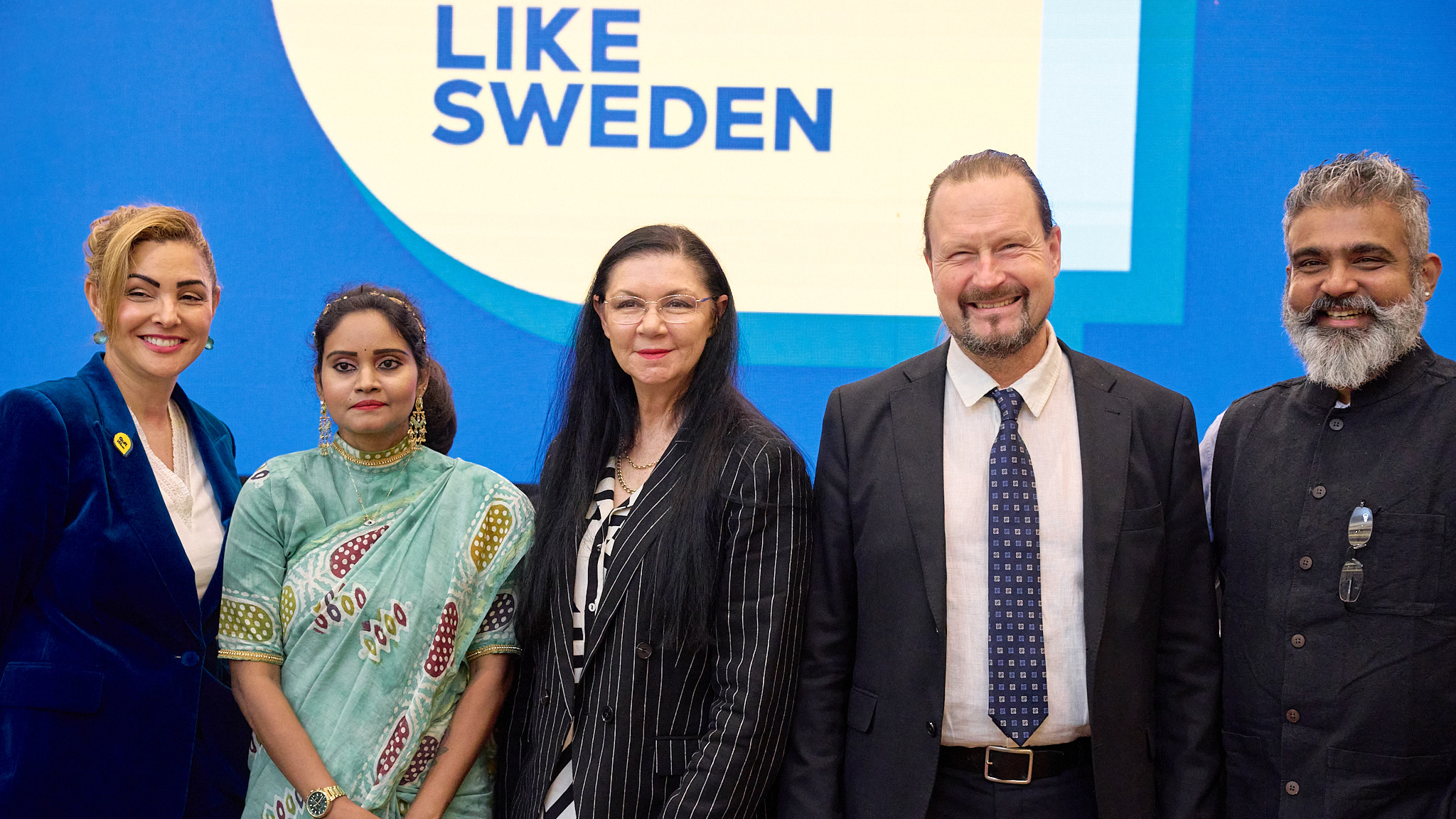
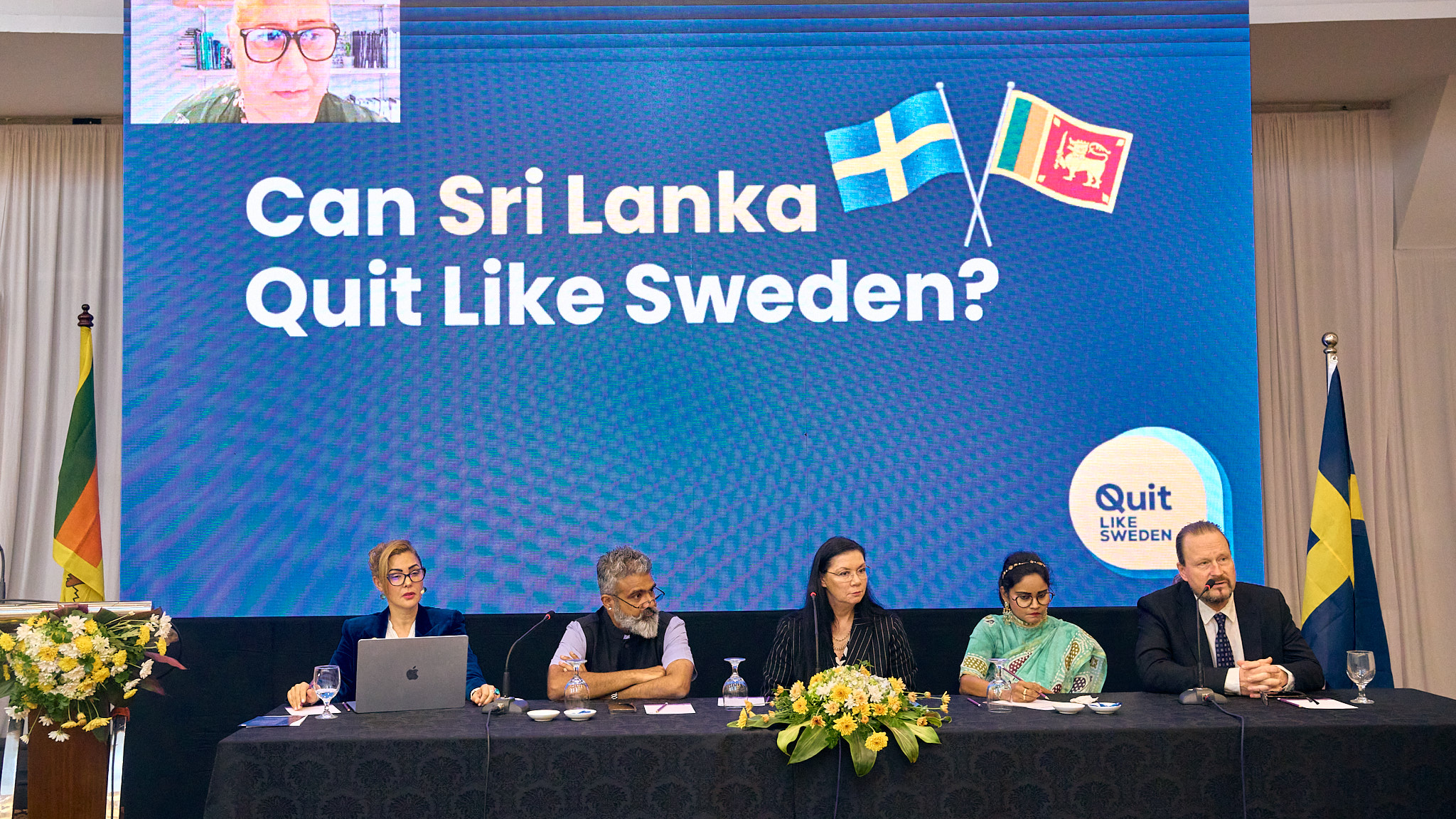
On 11 November 2025, Colombo hosted a major roundtable on tobacco harm reduction, organized by Quit Like Sweden, a UK-based international non-profit platform. The event brought together experts from around the world to examine Sweden’s successful tobacco harm reduction model and discuss how elements of this approach could be adapted in South Asia, including Sri Lanka, in ways that reflect local cultural realities.
Sweden currently has the lowest smoking rate in Europe. With only 5.4% of adults smoking, it is on track to become Europe’s first smoke-free nation. According to the WHO, a country is considered smoke-free when its smoking prevalence falls to 5% or below.
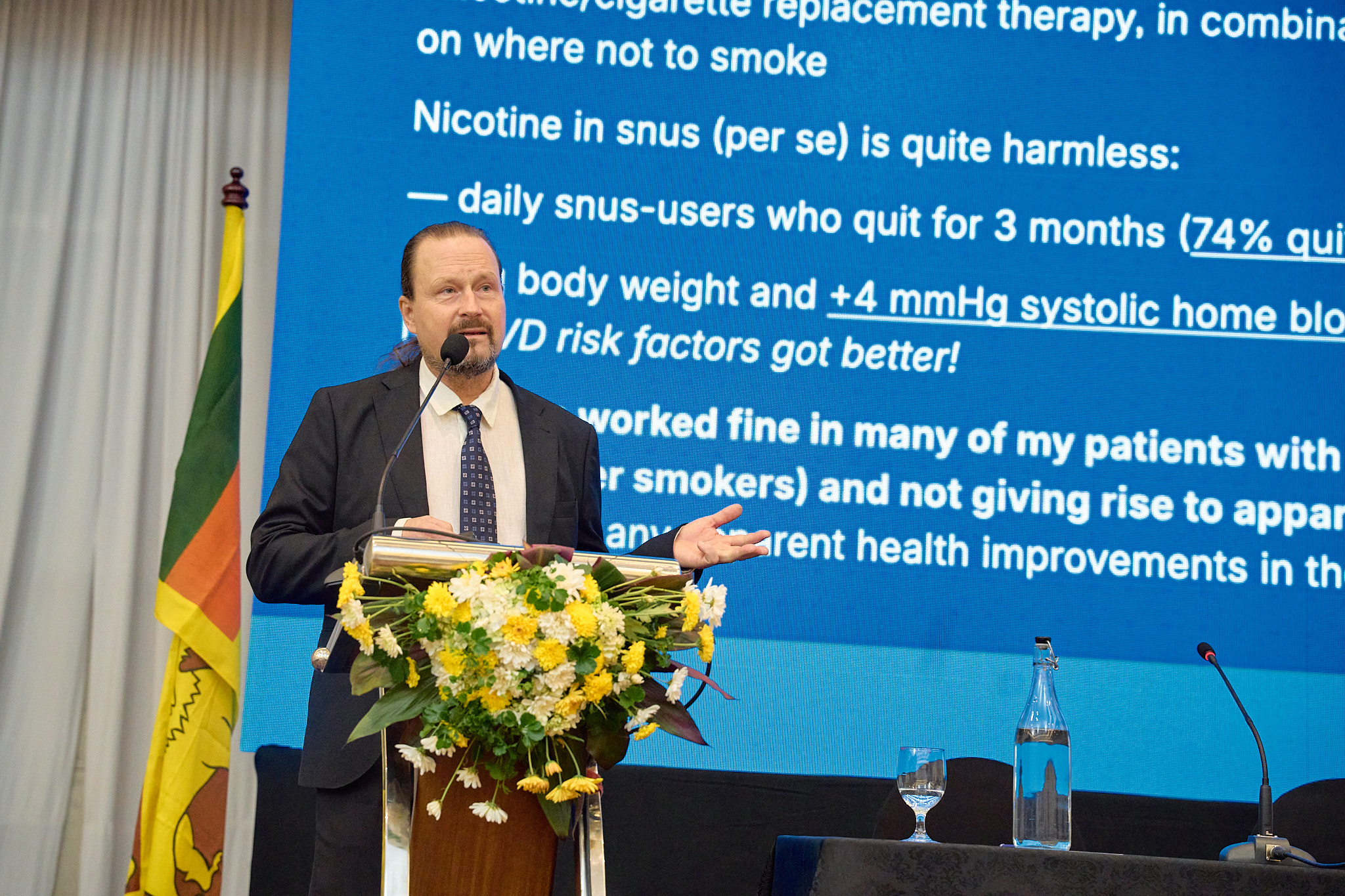
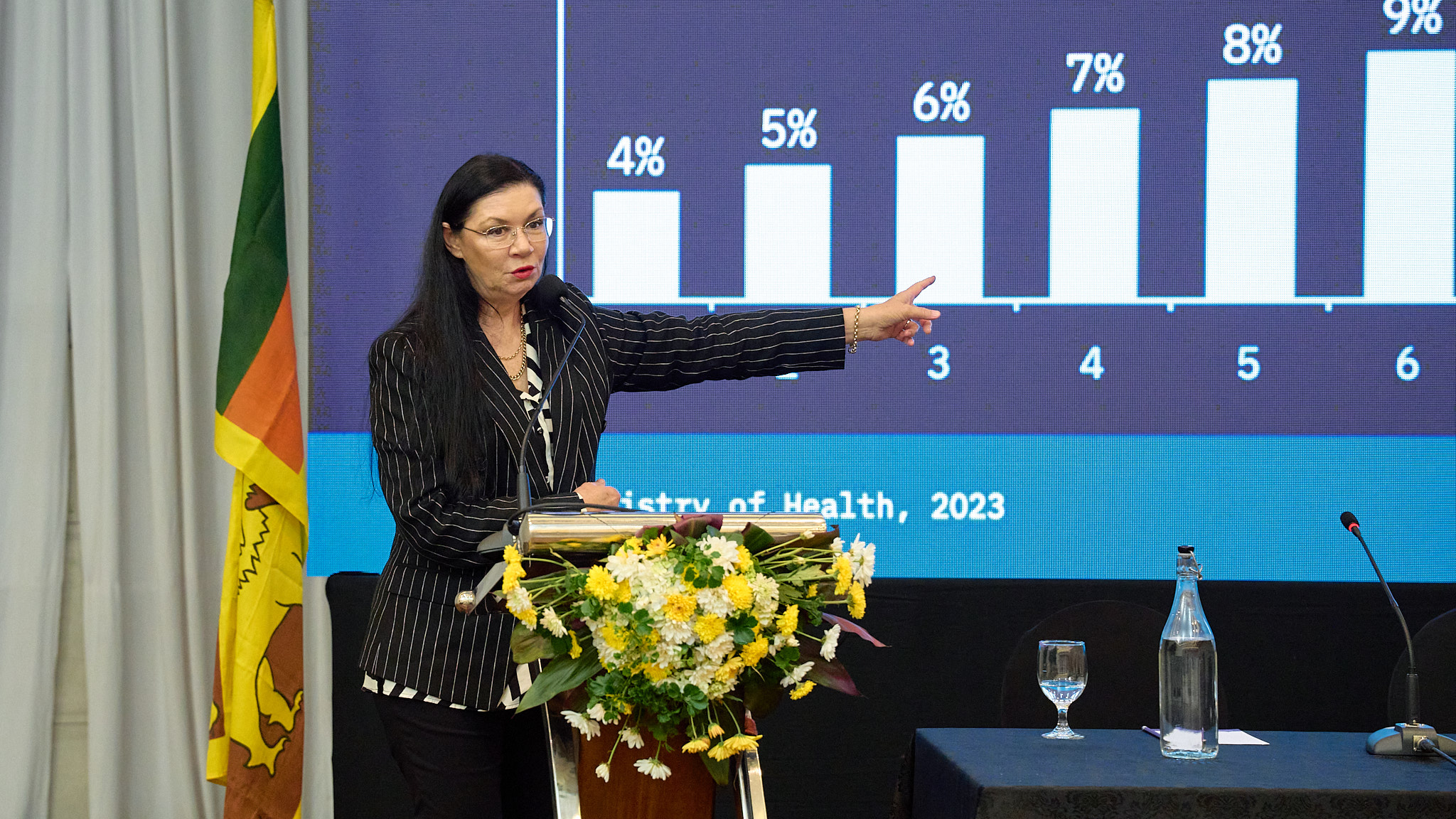
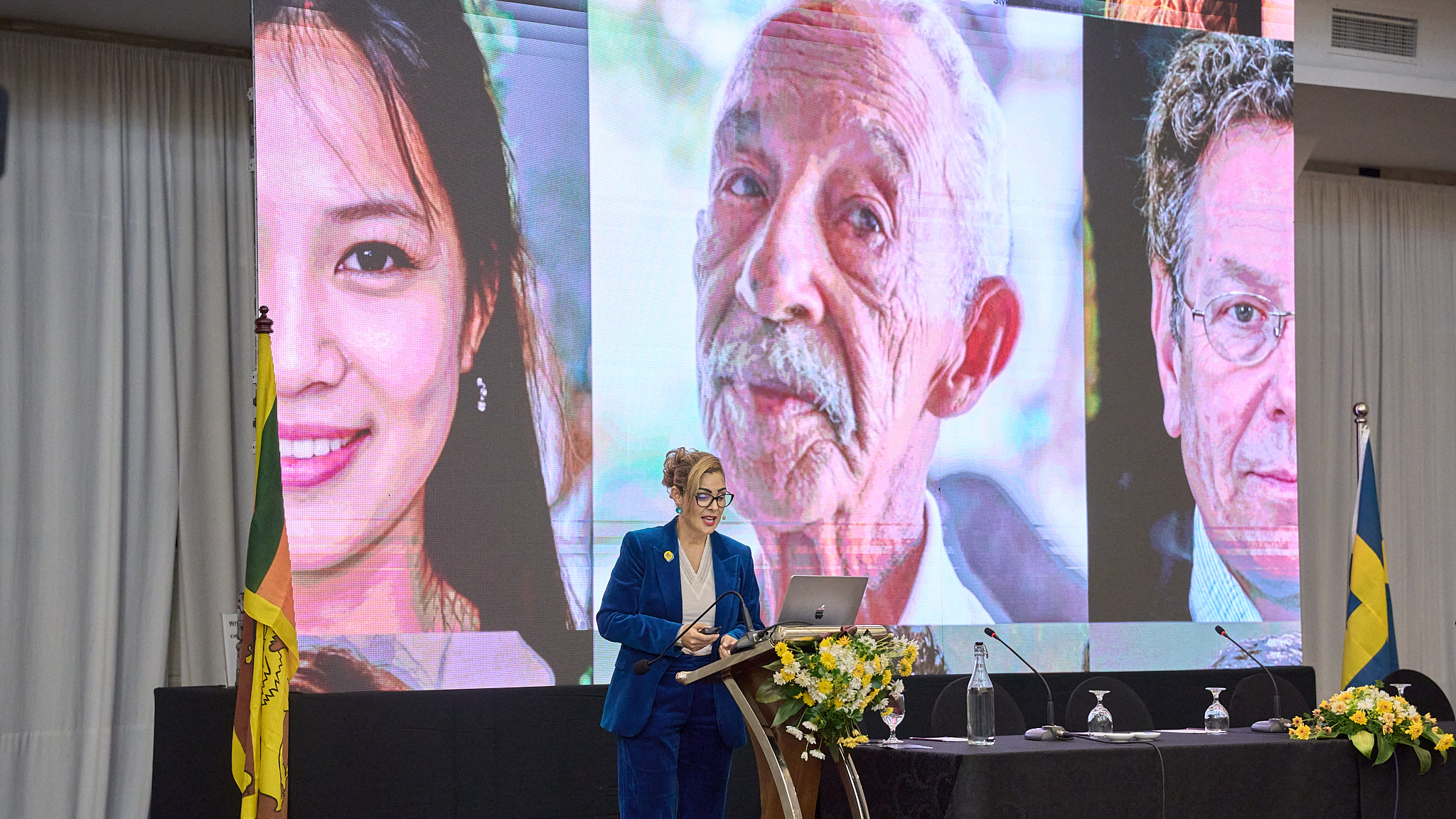
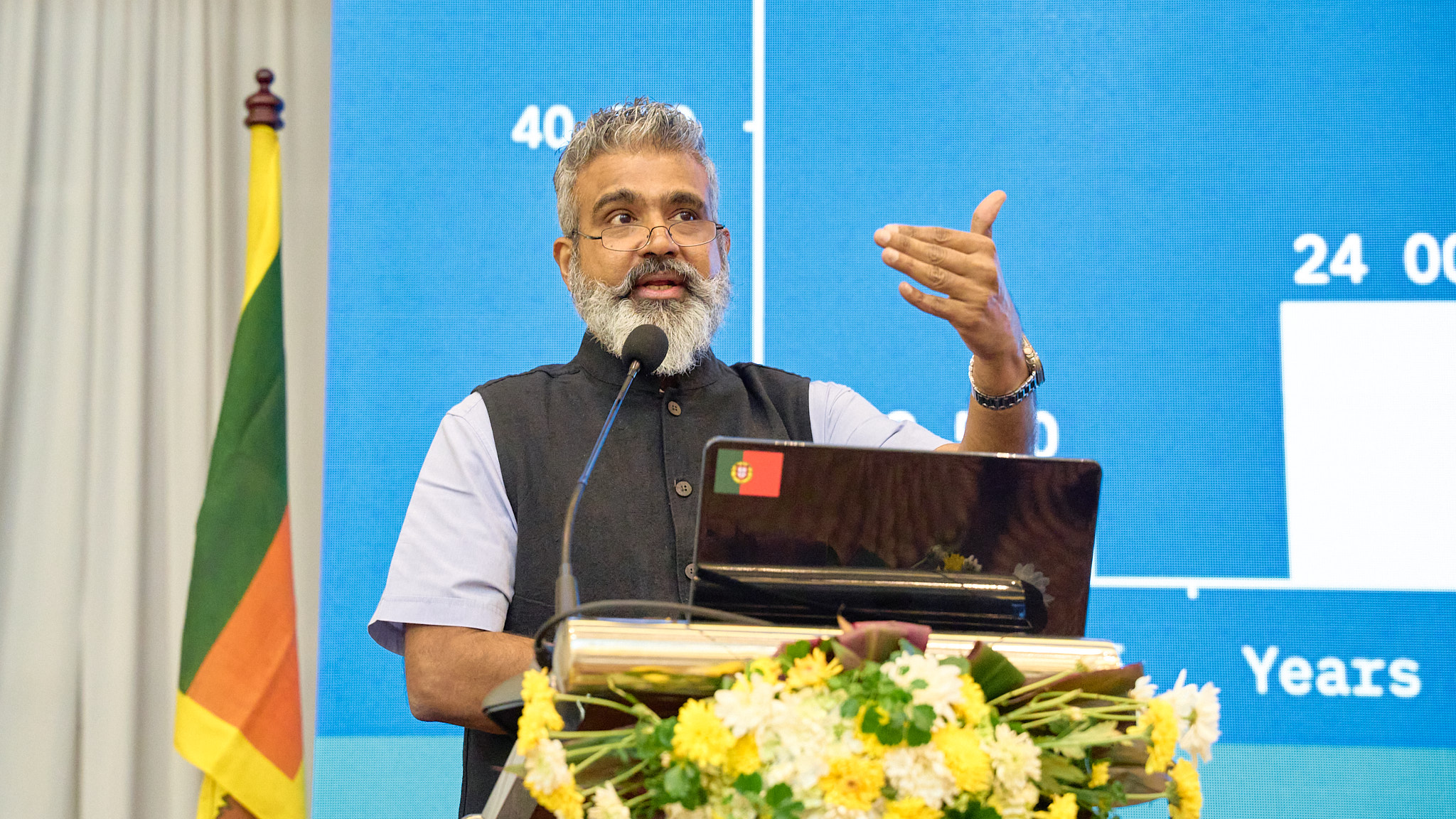
Sweden’s achievement is the result of decades of comprehensive anti-tobacco measures, paired with policies that ensure lower-risk alternatives to cigarettes are accessible, acceptable, and affordable for people seeking to quit. Quit Like Sweden is committed to sharing this experience globally to help reduce the burden of smoking-related disease.
“Money spent on treating smoking-related diseases could instead be directed toward other essential social priorities,” said Suely Castro, director of Quit Like Sweden. “Sweden’s approach is not unique to Sweden. It demonstrates what is possible and has the potential to improve lives in developing countries, which account for 80% of the world’s smokers.”
In Sri Lanka, 17.7% of men smoke and nearly 12,000 people die prematurely each year due to the use of combustible and smokeless tobacco products. “By integrating harm reduction and improved lung cancer treatment within WHO recommendations, Sri Lanka could save an estimated 85,000 lives by 2060,” said Professor Rohan Sequeira, Senior Consultant CardioMetabolic Physician to several leading hospitals worldwide.
“Ending smoking is a journey,” said Professor Marewa Glover of New Zealand, a country that has reduced smoking prevalence to 6.9%. “Countries have a wide set of tools available, including targeted awareness campaigns, behavioral interventions, and technology-enabled support. The key is to offer people pathways that work.”
Countries have a wide set of tools available, including targeted awareness campaigns, behavioral interventions, and technology-enabled support. The key is to offer people pathways that work.
Countries that have embraced harm reduction, including Sweden and New Zealand, show the impact of giving smokers access to safer alternatives. Both nations have expanded lower-risk nicotine options and cut smoking rates by roughly half. This contrasts with countries relying on blanket bans. In India, for example, where safer alternatives are restricted, overall tobacco use remains close to 30%. The comparison highlights a clear trend: prohibition alone does little to shift smokers away from harmful products, while harm reduction policies accelerate progress toward a smoke-free future.
Professor Fredrik Nystrom of Linköping University added, “Smokers aren’t criminals, and stigmatizing them excessively can actually push the behavior underground or lead people to riskier alternatives. Of course, bans alone can give smoking an aura of rebellion. In our experience, working directly with smokers is more productive, as most are keen to quit when given a variety of tools to help them.”
“We are here to share the Swedish experience in tobacco harm reduction, an approach with global relevance that could inform Sri Lanka’s path toward better public health outcomes,” Castro said.
For Sri Lanka, the experts concluded that a practical path forward includes improving cessation support, ensuring access to lower-risk alternatives, and aligning harm-reduction measures with local needs. These steps could accelerate progress toward reducing smoking-related illness nationwide.
Event Highlights
Speakers
Suely Castro
Director, Quit Like Sweden
Suely devotes her time overseeing Tobacco Control and Harm Reduction policies around the world, influenced by Sweden's successful and evidence-based approach to reducing tobacco related illnesses and deaths.
Dr. Fredrik Nyström
Professor at Linköping University
Professor of Internal Medicine; Head of Internal, Endocrinology & Pulmonary Medicine, Linköping University (tenured 2002); leads trials on metabolic disease and nicotine/snus; frequent media voice and author.
Professor Marewa Glover
Public Health Researcher
Public-health professor and 32-year tobacco-control researcher; 2019 New Zealander of the Year finalist; founding director, Centre of Research Excellence: Indigenous Sovereignty & Smoking; former Tobacco Section Editor, Harm Reduction Journal.
Prof. Dr. Rohan Savio Sequeira
Cardio-Endocrine Physician
Consultant Cardio-Endocrine Physician (25+ years, multi-country); senior roles at Jaslok, St. Elizabeth, S. L. Raheja, Holy Family, and Breach Candy; leads regulatory advocacy in tobacco harm reduction; Founder-Director, SOMHRA.
Nancy Loucas
Executive Coordinator, CAPHRA
Founder, Paraclete Associates; co-founder/director, AVCA (NZ); executive coordinator, CAPHRA—driving nicotine-consumer advocacy across 11 Asia-Pacific countries through strategy, policy submissions, and public education.
Dr. Sree T. Sucharitha
Founder, Kairos Kinetic
CEO-Founder, Kairos Kinetic (Chennai); former Professor & Head of Community Medicine, Annaii Medical College; physician-researcher with 15 years’ experience and advanced training in HIV medicine, human rights & drug policy, and technology-society.